Healthy Food Tips - Food Choices Made Easy
Healthy Food Tips give you some fantastic ideas for making healthy
food choices when you’re shopping. It’s easy to eat healthy when the
pantry is full of good quality food!
. 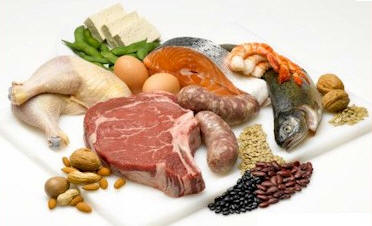 Top Seven Tips Healthy Food Tips These healthy food tips cover the main things you need to look for when grocery shopping for healthy food. For more specific info, see my healthy food lists. Healthy Food Tip #1: When grocery shopping, buy mostly whole foods. These are healthy foods that look the same as they did in nature 1,000 years ago – unprocessed and untreated as much as possible. They may also be cheaper than processed foods as there are no manufacturing costs involved. The nutritional value of food that’s unprocessed is always higher – it’s always your best healthy food choice. Why is that the case? Foods that have been processed or treated with synthetic pesticides or herbicides tend to be more difficult to digest, and may introduce toxins into your body. This means that your body spends more energy trying to detoxify, and has less energy to put into losing weight. Whole foods should form the basis of your grocery list each week. Examples include: • Fresh vegetables like spinach, cabbage, garlic, onions, tomatoes, beans and legumes • Fresh herbs like basil, oregano, thyme, parsley and sage • Fresh fruits like apples, pears and peaches • Free-range eggs • Unsalted nuts like walnuts, pecans, cashews and brazil nuts • Lean meats like lean steak, chicken, lean mince, • Fresh seafood like whole fish, prawns, squid and mussels • Whole grains like wild rice, whole rolled oats (steel cut), and unprocessed quinoa, amaranth and millet. Remember, even these whole foods might have been treated with a synthetic pesticide or herbicide of some sort. If you can afford it, buy certified organic foods. Click here to learn more about Natures Super Foods, Super Recipes & Super Food Remedies. Living Longer & Living Younger. If you can’t afford organic produce, you can usually buy good quality items from local growers markets. This has added benefits - the produce is likely to be fresher, in season, and less expensive due to lower transport costs. Locally grown produce may not be organic but it might have fewer pesticides and herbicides added, and be grown using more sustainable farming practices. At least you have the opportunity to meet the grower and ask! Or, you could find out how to grow healthy food in your own back yard. A herb garden is a good start. Healthy Food Tip #2: Buy healthy meats, preferably grass fed. Many commercial meat growers feed unnatural foods to their animals, and they fatten them up faster than would occur if the animal was grazing in nature. These two things mean you could be buying unhealthy meat. Is this meat good for you? Probably not. Fat, unhealthy animals must also be unhealthy for us! Try to buy locally grown meat that is fed on fresh, natural pasture. Cows and sheep eat grass. They don’t eat grains. ‘Grain fed meat’ is a marketing ploy. Steer clear of it. Healthy Food Tip #3: Read and understand food labels. Packaged and processed foods may contain added ingredients. Reading food labels helps you to choose good quality food. Food labels have important information about how much carbohydrate, protein and fat is in the food, and also whether there are any additives, unhealthy ingredients, or allergenic ingredients like gluten. In some countries, food labels have to show exact amounts of specific ingredients like trans fat and gluten. This is very important for people who have food allergies or food intolerance's. It takes time to read food labels, so simply look at one label each time you shop. For example if you’re buying tomato paste, look at all the available brands and find the one that’s healthiest. Then remember that brand and buy it next time. After a few weeks your shopping becomes much easier! Also, consumer choice drives food trends. If more people start buying better quality foods, they will become more popular and supermarkets will stock more of them. Click here for more information on reading food labels. Healthy Food Tip #4: Always start your day with healthy breakfast foods. Starting your day with a meal means that you kick-start your metabolism. Healthy breakfast foods are essential to keep you energized and feeling good throughout the day. Healthy breakfast foods have a good balance of protein, carbohydrates, fiber and healthy fats. If your breakfast lacks any of these, you might start a blood sugar roller-coaster which means you’ll have trouble maintaining your energy levels throughout the day. In the long term, eating imbalanced meals can lead to insulin resistance and leptin resistance. Try already to go FUEL from NUTRIE>>>>>>available here:  www.kristine.automaticbody.com www.kristine.automaticbody.comHealthy Food Tip #5: Have a good supply of healthy snacks on hand. Have you notice that there seems to be only two speeds in the day – very fast and stressful, and stop? Life seems to have become much busier these days and full of scheduled commitments. Having a supply of healthy, nutritious snack food on hand will stop you reaching for convenient junk food. Just like breakfast, you want your healthy snack food to be balanced in protein, carbohydrates and fats, and free of unhealthy preservatives or artificial sweeteners. Healthy Food Tip #6: Avoid foods that make you feel unwell. Some people have food allergies. But even more people have food intolerance's, which can be hard to diagnose. Some people can react poorly to healthy whole foods, like oranges or tomatoes. Do you feel funny after eating certain foods or drinks – head achy, itchy, hyperactive, irritated? Keeping a food diary is one way to figure out whether you have a reaction to certain foods like bread, or oranges, or chilies. With this level of awareness, you can choose to avoid those foods. Healthy Food Tip #7: On a special diet? Choose healthy diet foods. If your doctor has put you on a special diet to manage a health condition you might need to buy low salt foods, low fat foods or low sugar foods. But be careful. Sometimes special diet foods substitute so called bad ingredients for even worse ones. For example, low fat foods are often high in sugar or preservatives. Think of it this way – anything with ‘artificial’ ingredients is foreign to your body. Your body will have to find a way to deal with those previously-unknown ingredients. Go back to tip #1 – whole foods are the healthiest diet foods. Foods labeled as ‘diet foods’ (e.g. Diet yoghurt) often contain artificial preservatives and/or artificial sweeteners. There is a lot of medical research linking artificial sweeteners to cancers and Parkinson’s disease, among other things. And there has been some recent research suggesting that artificial sweeteners can actually make you fat. Choose your diet foods very carefully. Source :Healthy FOOD | |
Thursday, April 17, 2014
Top Seven Tips Healthy Food Tips

Subscribe to:
Post Comments (Atom)
No comments:
Post a Comment