Sunday, June 1, 2014
Snack ideas!!!!
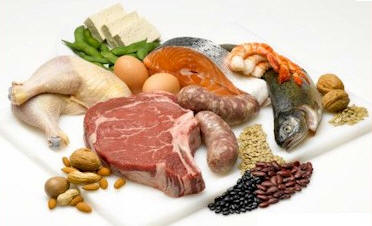
To bridge the gap between meals, eat fibrous and protein-rich foods to stay satiated. “Low-fat yogurt, string cheese, or a small handful of nuts; non-starchy vegetables; fresh fruits; whole-grain crackers; and non-calorie beverages such as water, coffee and tea.”
Tuesday, May 13, 2014
The nutrient diversity of cantaloupe is perhaps its most overlooked health benefit!
Cantaloupe contains more beta-carotene than alpha-carotene. But because it contains both of these carotenoids, it also contains both of their derivatives, including lutein in the case of alpha-carotene and beta-cryptoxanthin and zeaxanthin in the case of beta-carotene. These carotenoid phytonutrients are joined by the flavonoid luteolin, antioxidant organic acids including ferulic and caffeic acid, and anti-inflammatory cucurbitacins, including cucurbitacin B and cucurbitacin E. The nutrient diversity of cantaloupe is perhaps its most overlooked health benefit!
Antioxidant and Anti-Inflammatory Support
As evidenced by the preceding list of phytonutrients, cantaloupe’s nutritional strong suit involves its antioxidant and anti-inflammatory nutrients. Even while it is relatively low in concentration of certain nutrients (like total polyphenols) in comparison to other fruits, cantaloupe still provides us with important amounts because we tend to eat it in larger serving sizes than other fruits.Many researchers understand metabolic syndrome—a group of health problems that includes high blood fats, high blood sugars, high blood pressure, and too much body fat—to be caused by problems in lifestyle that result in chronic underlying levels of unwanted inflammation and oxidative stress throughout the body. In this context, it’s not surprising to see decreased risk of metabolic syndrome in individuals with especially high intake of cantaloupe (along with other fruits), since cantaloupe provides a wide range of antioxidants that help prevent oxidative stress and a wide range of anti-inflammatory phytonutrients that help prevent excessive inflammation. It’s also not surprising to see lower levels of C-reactive protein (CRP) in the bloodstream of persons who have particularly high intake of cantaloupe, since CRP is a marker widely used to assess levels of inflammation in the body. One final important note: in the study that documented these benefits of cantaloupe for prevention of metabolic syndrome, “high” intake meant at least 12 ounces of total fruit per day. Since cantaloupe was one of five fruits making a special contribution to these 12 ounces, we assume that few of the study participants would go one whole week without consuming cantaloupe. That approach might help all of us increase our protection from unwanted inflammation and oxidative stress.
Other Health Benefits
Unfortunately, most of the other studies that we have seen on the health benefits of cantaloupe are studies conducted on animals rather than humans. This aspect of the research limits our certainty about the health benefits for humans. However, especially promising in the animal research has been studies related to diabetes. Researchers have shown that intake of cantaloupe phytonutrients can improve insulin and blood sugar metabolism. In addition, intake of cantaloupe extracts has been show to reduce oxidative stress in the kidneys of animals with diabetes, and to improve insulin resistance in diabetic animals.Given the benefits of cantaloupe for prevention of metabolic syndrome, we would expect to see future studies showing clear health benefits for this melon in the area of heart disease, including atherosclerosis. Many heart-related problems start out with chronic unwanted inflammation and chronic oxidative stress. Hopefully, it won’t be long before we have large-scale human studies documenting benefits in this important area.
Description
The fruit widely known as “cantaloupe” throughout the U.S. is actually muskmelon. When we purchase “cantaloupe” in a U.S. grocery store, what we’re used to seeing is an outer surface that consists of “netting”—an orderly mosaic pattern – that sits atop and covers the outermost skin (rind). We may or may not also see “ribbing” on the cantaloupe (“ribbing” in the sense of lines running from one end of the cantaloupe to the other, like the seams on a basketball). But if we do see ribbing, it is not usually very heavy or very deep., Melons with a very developed and orderly netting and only mild-to-moderate ribbing are not true cantaloupes but rather muskmelons (Cucumis melo var reticulatus).Cantaloupes (Cucumis melo var cantalupensis) typically lack an extensive, orderly netting and they have ribs (also called “sutures”) that are much heavier and more deeply grooved. In addition, true cantaloupes are grown almost exclusively in other parts of the world (and especially in the Mediterranean region). In fact, the name “cantaloupe” actually comes from the name of a town in Italy near Rome called Cantaloupo in Sabina, where seeds were brought from Armenia and planted in the Papal gardens during the 1400-1500′s.) Despite this misnaming of “cantaloupes” in the U.S. marketplace however, from hereon we’re going to stick with this common U.S. practice and refer to muskmelons as cantaloupes.
Cantaloupes are members of the cucurbit family of plants (Cucurbitaceae) that also includes cucumbers, pumpkins, squashes, gourds, and a long list of melons. Melons in this same plant family with cantaloupe include Watermelon and honeydew melon, along with crenshaw, casaba, Persian, and canary melon. Because many members of the cucurbit plant family can easily cross-pollinate, there are also many different hybrid melons in the marketplace that combine features of true cantaloupe with features of these other melons.
The ripe flesh of a cantaloupe can vary in color depending on the hybrid. “Jenny Linds” are one example of a green-fleshed hybrid; “Athena” and “Ambrosia” hybrids have salmon-colored flesh; and the flesh of the Gurney’s (TM) hybrids typically has a rich orange color. Cantaloupes have a hollow cavity in their center that is filled with edible seeds. In some parts of the world, cantaloupes are known as “rockmelons.”
If you read about cantaloupe across the Internet, you may find a good bit of inconsistency involving the language used to describe the parts of this fruit. Some websites use the words “top” and “bottom” when describing cantaloupes. Other websites use “stem end” and “blossom end.” Still others use “vine end” and “end opposite the vine end.” As such, we wanted to clarify this topic.
When a plant flowers, no fruit forms until pollination (either self pollination or preferably cross pollination). Once pollination has occurred, fruit can begin to form. As the fruit forms, the flower will fall away. The spot where the flower was will become one end of the fruit, and it is called the blossom end. The stem end, of course, will be the end where the fruit remains connected to the plant. If the fruit is an apple, its weight and relationship to the tree branch will typically cause it to hang down from the branch, creating two ends that are truly “top” and “bottom.”
But with a fruit like a cantaloupe which sits on the ground, the vine will typically lie alongside of the fruit in such a way that the ends would be more logically described as being on the sides of the cantaloupe, rather on its top and its bottom. Still, the word “top” is sometimes used to refer to the stem end of a cantaloupe, and the word “bottom” is sometimes used to refer to the blossom end.
Source: health digezt
Monday, April 28, 2014
LIKE POTATOES?
Scalloped Potatoes
1/3 lb (10 2/3 Tbsp) butter
1/2 cup flour
1 can cream of celery soup
1 can cream of chicken soup ( I have used creamy garlic mushroom in the past)
2 Tbsp salt (except when adding ham to the potatoes)
1 tsp pepper
1/2 cup chopped onions
2 qt (1/2 gallon) milk
5 – 7 lbs potatoes minimum
Melt butter, then gradually stir in flour to create roux. Add creamed soups, salt, pepper, milk, onions. Finally, add potatoes an stir all ingredients. Place in oven at 350 degrees until potatoes are done.
Thursday, April 17, 2014
Top Seven Tips Healthy Food Tips
Healthy Food Tips - Food Choices Made EasyHealthy Food Tips give you some fantastic ideas for making healthy food choices when you’re shopping. It’s easy to eat healthy when the pantry is full of good quality food! .Top Seven Tips Healthy Food Tips These healthy food tips cover the main things you need to look for when grocery shopping for healthy food. For more specific info, see my healthy food lists. Healthy Food Tip #1: When grocery shopping, buy mostly whole foods. These are healthy foods that look the same as they did in nature 1,000 years ago – unprocessed and untreated as much as possible. They may also be cheaper than processed foods as there are no manufacturing costs involved. The nutritional value of food that’s unprocessed is always higher – it’s always your best healthy food choice. Why is that the case? Foods that have been processed or treated with synthetic pesticides or herbicides tend to be more difficult to digest, and may introduce toxins into your body. This means that your body spends more energy trying to detoxify, and has less energy to put into losing weight. Whole foods should form the basis of your grocery list each week. Examples include: • Fresh vegetables like spinach, cabbage, garlic, onions, tomatoes, beans and legumes • Fresh herbs like basil, oregano, thyme, parsley and sage • Fresh fruits like apples, pears and peaches • Free-range eggs • Unsalted nuts like walnuts, pecans, cashews and brazil nuts • Lean meats like lean steak, chicken, lean mince, • Fresh seafood like whole fish, prawns, squid and mussels • Whole grains like wild rice, whole rolled oats (steel cut), and unprocessed quinoa, amaranth and millet. Remember, even these whole foods might have been treated with a synthetic pesticide or herbicide of some sort. If you can afford it, buy certified organic foods. Click here to learn more about Natures Super Foods, Super Recipes & Super Food Remedies. Living Longer & Living Younger. If you can’t afford organic produce, you can usually buy good quality items from local growers markets. This has added benefits - the produce is likely to be fresher, in season, and less expensive due to lower transport costs. Locally grown produce may not be organic but it might have fewer pesticides and herbicides added, and be grown using more sustainable farming practices. At least you have the opportunity to meet the grower and ask! Or, you could find out how to grow healthy food in your own back yard. A herb garden is a good start. Healthy Food Tip #2: Buy healthy meats, preferably grass fed. Many commercial meat growers feed unnatural foods to their animals, and they fatten them up faster than would occur if the animal was grazing in nature. These two things mean you could be buying unhealthy meat. Is this meat good for you? Probably not. Fat, unhealthy animals must also be unhealthy for us! Try to buy locally grown meat that is fed on fresh, natural pasture. Cows and sheep eat grass. They don’t eat grains. ‘Grain fed meat’ is a marketing ploy. Steer clear of it. Healthy Food Tip #3: Read and understand food labels. Packaged and processed foods may contain added ingredients. Reading food labels helps you to choose good quality food. Food labels have important information about how much carbohydrate, protein and fat is in the food, and also whether there are any additives, unhealthy ingredients, or allergenic ingredients like gluten. In some countries, food labels have to show exact amounts of specific ingredients like trans fat and gluten. This is very important for people who have food allergies or food intolerance's. It takes time to read food labels, so simply look at one label each time you shop. For example if you’re buying tomato paste, look at all the available brands and find the one that’s healthiest. Then remember that brand and buy it next time. After a few weeks your shopping becomes much easier! Also, consumer choice drives food trends. If more people start buying better quality foods, they will become more popular and supermarkets will stock more of them. Click here for more information on reading food labels. Healthy Food Tip #4: Always start your day with healthy breakfast foods. Starting your day with a meal means that you kick-start your metabolism. Healthy breakfast foods are essential to keep you energized and feeling good throughout the day. Healthy breakfast foods have a good balance of protein, carbohydrates, fiber and healthy fats. If your breakfast lacks any of these, you might start a blood sugar roller-coaster which means you’ll have trouble maintaining your energy levels throughout the day. In the long term, eating imbalanced meals can lead to insulin resistance and leptin resistance. Try already to go FUEL from NUTRIE>>>>>>available here: www.kristine.automaticbody.comHealthy Food Tip #5: Have a good supply of healthy snacks on hand. Have you notice that there seems to be only two speeds in the day – very fast and stressful, and stop? Life seems to have become much busier these days and full of scheduled commitments. Having a supply of healthy, nutritious snack food on hand will stop you reaching for convenient junk food. Just like breakfast, you want your healthy snack food to be balanced in protein, carbohydrates and fats, and free of unhealthy preservatives or artificial sweeteners. Healthy Food Tip #6: Avoid foods that make you feel unwell. Some people have food allergies. But even more people have food intolerance's, which can be hard to diagnose. Some people can react poorly to healthy whole foods, like oranges or tomatoes. Do you feel funny after eating certain foods or drinks – head achy, itchy, hyperactive, irritated? Keeping a food diary is one way to figure out whether you have a reaction to certain foods like bread, or oranges, or chilies. With this level of awareness, you can choose to avoid those foods. Healthy Food Tip #7: On a special diet? Choose healthy diet foods. If your doctor has put you on a special diet to manage a health condition you might need to buy low salt foods, low fat foods or low sugar foods. But be careful. Sometimes special diet foods substitute so called bad ingredients for even worse ones. For example, low fat foods are often high in sugar or preservatives. Think of it this way – anything with ‘artificial’ ingredients is foreign to your body. Your body will have to find a way to deal with those previously-unknown ingredients. Go back to tip #1 – whole foods are the healthiest diet foods. Foods labeled as ‘diet foods’ (e.g. Diet yoghurt) often contain artificial preservatives and/or artificial sweeteners. There is a lot of medical research linking artificial sweeteners to cancers and Parkinson’s disease, among other things. And there has been some recent research suggesting that artificial sweeteners can actually make you fat. Choose your diet foods very carefully. Source :Healthy FOOD | |
Monday, February 17, 2014
Sheldon Westcott Inks Deal With Nutrie
FOX Ultimate Fighter Contestant Sheldon Westcott Inks Deal With Nutrie
Health and wellness company Nutrie, creators of the Automatic Body Program, announced today that MMA welterweight Sheldon Westcott has signed as a company Elite Athlete representative and will be appearing across the country to endorse Nutrie’s incredible beverage line and mobile fitness system. Sheldon has been using Nutrie’s Fuel product to put on lean muscle and absolutely loves the results.
Sunday, February 16, 2014
Develop a workout routine
Shockingly, many people, children and adults alike, do not engage in enough physical activity; the National Center for Chronic Disease Prevention and Health Promotion reports that only nineteen percent of high school students are active for twenty minutes per day, five days per week in physical education classes.
Taking the time to develop a workout routine that fits your individual schedule and physical needs reduces the risk of high blood pressure, heart disease and premature death. Eating healthy foods combined with dietary supplements ensures your body receives the appropriate amount of nutrients for optimal performance. Fuel is a great source for vitamins and protein available here: http://www.kristine.automaticbody.com "The only person you should try to be better than is the person you were yesterday"
Thursday, February 6, 2014
Easy Vegetarian Chili
- Easy Vegetarian Chili
This recipe is super flexible. Add more or less of any of the vegetables or beans.
Ingredients
2 - 28oz cans of whole tomatoes and their juice
2 can of beans, drained and rinsed (kidney or white beans)
2 cup of frozen corns (you could use fresh but frozen is easy an works great)
3 stalks of celery, diced
2 peppers, diced (red,yellow, or orange)
2 carrots, diced
1 large onion, diced
4 cloves of garlic, finely minced
2 tablespoons of cumin
1 teaspoon oregano
1-3 tablespoons chiili powder (ore more if you like it spicier!)
¼-2 teaspoons of chili flakes (the more chili flakes the spicier it will be!)
2 tablespoons oil
Salt to taste
Optional toppings: sour cream, cheddar cheese, cilantro, diced avocados or green onion.
Instructions:
Heat oil in a large pot over medium high heat. Add onion and sauté for about 3 minutes. Add garlic and sauté 1 minute more. Add spices and cook stirring for about 30 seconds.
Add peppers, carrots and celery and cook for about 5 minutes, or until they just start to soften. Add tomatoes and their juice and bring to a simmer. Once the chili begins to simmer, reduce the heat to medium low. You want the chili to be at a low simmer with the lid off.
Continue to cook the chili, stirring occasionally, for about 20 minutes. Add beans and corn and let the chili return to a simmer. Cook for 5 more minutes or until the corn and beans have heated through.
Salt to taste. Serve on its own or topped with one (or all!) of the delicious toppings.
Enjoy!!
Saturday, December 7, 2013
Basil chicken salad
6 tablespoons fat-free mayonnaise,
2 tablespoons fresh lemon juice ,
2 teaspoons Dijon mustard ,
1/4 teaspoon hot sauce ,
1/8 teaspoon white pepper ,
3 cups chopped cooked chicken breasts 1/2 cup chopped celery
1/4 cup chopped green onions
1/4 cup shredded fresh basil
6 cups shreeded fresh spinach
Recipe Directions for Basil Chicken Salad
Combine first 5 ingredients and stir well.
Combine chicken, celery, green onions and basil in a medium bowl.
Add the mayonnaise mixture and toss gently.
Place 1 cup spinach on each of 6 salad plates.
Spoon chicken mixture evenly over each plate.
Sprinkle with pine nuts if desired 😉
Thursday, November 21, 2013
Choc, pomegranate ginger bark
Chocolate-Pomegranate-Ginger Bark
adapted from Fine Cooking
Recipe
Ingredients
10 oz. bittersweet chocolate (60% cacao), broken into 1-inch pieces
1 cup fresh pomegranate seeds (from 1 large pomegranate)
1-1/2 Tbs. minced candied ginger
1/4 tsp. fine sea salt
Instructions
Line a baking sheet with parchment paper.
Put the chocolate in a wide, shallow microwave-safe bowl and microwave on high until it just starts to melt, about 1 minute.
Stir with a spatula until the chocolate is completely melted and smooth, heating in additional 15-second increments, if necessary.
Gently stir most of the pomegranate seeds (reserve a tablespoon or so), and the ginger (break up any clumps with your fingers), into the chocolate.
Scrape the chocolate mixture onto the baking sheet and spread it into an 8x10-inch rectangle.
Sprinkle the remaining pomegranate seeds, along with the sea salt, evenly over the top, pressing them into the chocolate. refrigerate until fully set, about 30 minutes.
Break the bark into chunks with your hands (be careful not to crush the seeds), and serve.
Tips
You can melt the chocolate using a double boiler, which is what I did.
Use the back of a tablespoon to spread the bark and press the reserved pomegranate seeds into the bark.
Substitute 1 heaping teaspoon of fresh ground ginger root, cut with a small amount of sweetener of your choice. (For example, pure maple syrup.)
Experiment with the chocolate that you have on hand. I might have even added a few semi-sweet chocolate chips to bring the total mass of chocolate up to 10 oz. (