Showing posts with label nutrition. Show all posts

Sunday, August 3, 2014

50 BEST snacks

Awesome suggestions!!!!
 
50 Best Snacks Under 50 Calories
Satisfy your cravings without putting on a pound!!!
Info. Originally
By Keri G. Registered Dietician

Satisfy your sweet tooth

1. 1⁄2 medium apple, baked, topped with 1 Tbsp low fat
yogurt sprinkled with cinnamon (45 calories)
2. 1⁄2 small banana, frozen (45 calories)
3. 4 oz unsweetened applesauce sprinkled with cinnamon (49 calories)
4. 1 miniature box of raisins (45 calories)
5. 2 sugar-free ice pops (30 calories)
6. 1 sugar-free fudge ice pop (35 calories)
7. 12 cherries (48 calories)
8. 1 individual serving sugar-free gelatin with 3 Tbsp light whipped topping (40 calories)
9. 1⁄2 cup strawberries with 21⁄2 Tbsp nonfat yogurt (47 calories)
10. 14 seedless red grapes, frozen (48 calories)
Indulge a salt craving
11. 11⁄2 cups salted air-popped popcorn (46 calories)
12. 1⁄4 cup shelled edamame with sea salt (37 calories)
13. 8 oz miso soup (36 calories)
14. 1 pretzel rod (37 calories)
15. 1⁄4 small bag of Glenny's lightly salted soy crisps (35 calories)
16. 1 medium sliced cucumber mixed with 1⁄4 cup sliced onion, 1⁄2 cup chopped celery, 4 Tbsp vinegar and salt to taste (45 calories)
17. 6 oz eight-vegetable juice (39 calories)
18. 1 kosher dill pickle (10 calories)
Crunch and munch
19. 1⁄2 cup jicama with 4 oz salsa (49.5 calories)
20. 11⁄2 cups sugar snap peas (40 calories)
21. Small celery stalk smeared with 1⁄2 Tbsp natural peanut butter (49 calories)
22. 1⁄2 small apple with 1 tsp soy butter (46 calories)
23. 1 brown rice cake with 1 Tbsp sugar-free jam (44 calories)
Smooth and creamy
24. 1 Laughing Cow Light Garlic & Herb wedge spread on cucumber slices (35 calories)
25. 1 tsp almond butter (34 calories)
26. 1⁄2 cup fat-free Greek yogurt with 1 tsp sugar-free strawberry jam (43 calories)
27. 1 oz avocado (about 1⁄8 of an avocado) squirted with lime (45 calories)
28. 8 grape tomatoes dipped in 1 Tbsp light cream cheese (46 calories)
Cheesy whizzes
29. 6 pieces of endive filled with 1⁄2 oz reduced-fat feta cheese (49 calories)
30. 1 slice fat-free American cheese (30 calories)
31. 1 large tomato, sliced, topped with 1 Tbsp Parmesan, broiled (44 calories)
32. 1 oz fat-free cottage cheese on 1 slice caraway Finn Crisp Crispbread (38 calories)
33. 1 oz fat-free mozzarella dipped in 1 tsp marinara sauce (46 calories)
Power up on protein
34. Turkey rollups: 2 slices white meat turkey rolled in 2 lettuce leaves (46 calories)
35. 1 oz smoked salmon (about 1 slice) on 2 Wheat Thins crackers (Multi-Grain) (48 calories)
36. 1 tofu dog with 1 Tbsp sauerkraut (48 calories)
37. 1⁄2 cup plain fat-free yogurt sprinkled with 1 tsp sunflower seeds (49.6 calories)
38. 1.3 oz water-packed tuna with 1 tsp Dijon mustard (48 calories)
39. 2 large hard-cooked egg whites with 1 cup sliced cucumber (48 calories)
40. 1 slice Wasa Fibre Crispbread with 2 tsp hummus (45 calories)
41. 1 medium water-packed sardine with slice of red onion (35 calories)
Solid standbys
42. 1⁄2 cup melon with 2 Tbsp 1% cottage cheese (47 calories)
43. 1⁄2 small grapefruit (32 calories)
44. 1⁄3 cup blueberries with 1 Tbsp light sour cream (47 calories)
45. 1⁄2 cup carrots with 1 Tbsp light ranch dressing (45 calories)
Thirst quenchers
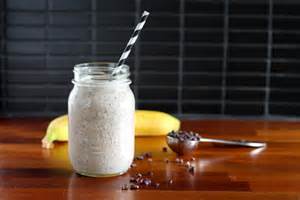
46. 1⁄2 cup nonfat milk with 1 Tbsp Walden Farms calorie-free chocolate syrup (40 calories)
47. 1 packet of sugar-free hot chocolate made with 1⁄4 cup skim milk and 3⁄4 cup hot water (47 calories)
48. 3⁄4 cup almond milk (45 calories)
49. 3⁄4 cup seltzer with 1⁄4 cup cranberry juice and a lime wedge (33 calories)
50. Homemade Fuel smoothie , mix crushed ice with Nutrie Fuel, instant refresher and protein too! (30gm protein)

Tuesday, May 13, 2014

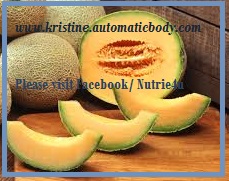
The nutrient diversity of cantaloupe is perhaps its most overlooked health benefit!

We seldom think about fruits as providing a broad spectrum of nutrients. In addition, when this food group gets placed in the nutritional spotlight, it’s usually berries that get first mention among the nutritional standouts. Yet judging from its nutrient profile, cantaloupe is a fruit that should get us thinking differently about fruit and nourishment. This member of the melon family receives 10 rankings in our food rating system—the same number as raspberries, 1 more than strawberries, and 6 more than blueberries. Cantaloupe scores an “excellent” for both vitamin C and vitamin A (in the form of carotenoids). It scores “very good” for potassium, and “good” for a host of B vitamins (B1, B3, B6, and folate) as well as vitamin K, magnesium, and fiber. When the edible seeds of the cantaloupe are eaten, this melon also provides a measurable about of omega-3 fat in the form of alpha-linolenic acid.
Cantaloupe contains more beta-carotene than alpha-carotene. But because it contains both of these carotenoids, it also contains both of their derivatives, including lutein in the case of alpha-carotene and beta-cryptoxanthin and zeaxanthin in the case of beta-carotene. These carotenoid phytonutrients are joined by the flavonoid luteolin, antioxidant organic acids including ferulic and caffeic acid, and anti-inflammatory cucurbitacins, including cucurbitacin B and cucurbitacin E. The nutrient diversity of cantaloupe is perhaps its most overlooked health benefit!


Antioxidant and Anti-Inflammatory Support

As evidenced by the preceding list of phytonutrients, cantaloupe’s nutritional strong suit involves its antioxidant and anti-inflammatory nutrients. Even while it is relatively low in concentration of certain nutrients (like total polyphenols) in comparison to other fruits, cantaloupe still provides us with important amounts because we tend to eat it in larger serving sizes than other fruits.
Many researchers understand metabolic syndrome—a group of health problems that includes high blood fats, high blood sugars, high blood pressure, and too much body fat—to be caused by problems in lifestyle that result in chronic underlying levels of unwanted inflammation and oxidative stress throughout the body. In this context, it’s not surprising to see decreased risk of metabolic syndrome in individuals with especially high intake of cantaloupe (along with other fruits), since cantaloupe provides a wide range of antioxidants that help prevent oxidative stress and a wide range of anti-inflammatory phytonutrients that help prevent excessive inflammation. It’s also not surprising to see lower levels of C-reactive protein (CRP) in the bloodstream of persons who have particularly high intake of cantaloupe, since CRP is a marker widely used to assess levels of inflammation in the body. One final important note: in the study that documented these benefits of cantaloupe for prevention of metabolic syndrome, “high” intake meant at least 12 ounces of total fruit per day. Since cantaloupe was one of five fruits making a special contribution to these 12 ounces, we assume that few of the study participants would go one whole week without consuming cantaloupe. That approach might help all of us increase our protection from unwanted inflammation and oxidative stress.

Other Health Benefits

Unfortunately, most of the other studies that we have seen on the health benefits of cantaloupe are studies conducted on animals rather than humans. This aspect of the research limits our certainty about the health benefits for humans. However, especially promising in the animal research has been studies related to diabetes. Researchers have shown that intake of cantaloupe phytonutrients can improve insulin and blood sugar metabolism. In addition, intake of cantaloupe extracts has been show to reduce oxidative stress in the kidneys of animals with diabetes, and to improve insulin resistance in diabetic animals.
Given the benefits of cantaloupe for prevention of metabolic syndrome, we would expect to see future studies showing clear health benefits for this melon in the area of heart disease, including atherosclerosis. Many heart-related problems start out with chronic unwanted inflammation and chronic oxidative stress. Hopefully, it won’t be long before we have large-scale human studies documenting benefits in this important area.

Description

The fruit widely known as “cantaloupe” throughout the U.S. is actually muskmelon. When we purchase “cantaloupe” in a U.S. grocery store, what we’re used to seeing is an outer surface that consists of “netting”—an orderly mosaic pattern – that sits atop and covers the outermost skin (rind). We may or may not also see “ribbing” on the cantaloupe (“ribbing” in the sense of lines running from one end of the cantaloupe to the other, like the seams on a basketball). But if we do see ribbing, it is not usually very heavy or very deep., Melons with a very developed and orderly netting and only mild-to-moderate ribbing are not true cantaloupes but rather muskmelons (Cucumis melo var reticulatus).
Cantaloupes (Cucumis melo var cantalupensis) typically lack an extensive, orderly netting and they have ribs (also called “sutures”) that are much heavier and more deeply grooved. In addition, true cantaloupes are grown almost exclusively in other parts of the world (and especially in the Mediterranean region). In fact, the name “cantaloupe” actually comes from the name of a town in Italy near Rome called Cantaloupo in Sabina, where seeds were brought from Armenia and planted in the Papal gardens during the 1400-1500′s.) Despite this misnaming of “cantaloupes” in the U.S. marketplace however, from hereon we’re going to stick with this common U.S. practice and refer to muskmelons as cantaloupes.
Cantaloupes are members of the cucurbit family of plants (Cucurbitaceae) that also includes cucumbers, pumpkins, squashes, gourds, and a long list of melons. Melons in this same plant family with cantaloupe include Watermelon and honeydew melon, along with crenshaw, casaba, Persian, and canary melon. Because many members of the cucurbit plant family can easily cross-pollinate, there are also many different hybrid melons in the marketplace that combine features of true cantaloupe with features of these other melons.
The ripe flesh of a cantaloupe can vary in color depending on the hybrid. “Jenny Linds” are one example of a green-fleshed hybrid; “Athena” and “Ambrosia” hybrids have salmon-colored flesh; and the flesh of the Gurney’s (TM) hybrids typically has a rich orange color. Cantaloupes have a hollow cavity in their center that is filled with edible seeds. In some parts of the world, cantaloupes are known as “rockmelons.”
If you read about cantaloupe across the Internet, you may find a good bit of inconsistency involving the language used to describe the parts of this fruit. Some websites use the words “top” and “bottom” when describing cantaloupes. Other websites use “stem end” and “blossom end.” Still others use “vine end” and “end opposite the vine end.” As such, we wanted to clarify this topic.
When a plant flowers, no fruit forms until pollination (either self pollination or preferably cross pollination). Once pollination has occurred, fruit can begin to form. As the fruit forms, the flower will fall away. The spot where the flower was will become one end of the fruit, and it is called the blossom end. The stem end, of course, will be the end where the fruit remains connected to the plant. If the fruit is an apple, its weight and relationship to the tree branch will typically cause it to hang down from the branch, creating two ends that are truly “top” and “bottom.”
But with a fruit like a cantaloupe which sits on the ground, the vine will typically lie alongside of the fruit in such a way that the ends would be more logically described as being on the sides of the cantaloupe, rather on its top and its bottom. Still, the word “top” is sometimes used to refer to the stem end of a cantaloupe, and the word “bottom” is sometimes used to refer to the blossom end. 
Source: health digezt

Monday, April 28, 2014

LIKE POTATOES?

LIKE POTATOES? 
Scalloped Potatoes


1/3 lb (10 2/3 Tbsp) butter
1/2 cup flour
1 can cream of celery soup
1 can cream of chicken soup ( I have used creamy garlic mushroom in the past)
2 Tbsp salt (except when adding ham to the potatoes)
1 tsp pepper
1/2 cup chopped onions
2 qt (1/2 gallon) milk
5 – 7 lbs potatoes minimum
Melt butter, then gradually stir in flour to create roux.  Add creamed soups, salt, pepper, milk, onions.  Finally, add potatoes an stir all ingredients.  Place in oven at 350 degrees until potatoes are done.


Thursday, April 17, 2014

Top Seven Tips Healthy Food Tips


Healthy Food Tips - Food Choices Made Easy

      Healthy Food Tips give you some fantastic ideas for making healthy food choices when you’re shopping. It’s easy to eat healthy when the pantry is full of good quality food! .
Top Seven Tips Healthy Food Tips
These healthy food tips cover the main things you need to look for when grocery shopping for healthy food. For more specific info, see my healthy food lists.
Healthy Food Tip #1: When grocery shopping, buy mostly whole foods.
These are healthy foods that look the same as they did in nature 1,000 years ago – unprocessed and untreated as much as possible. They may also be cheaper than processed foods as there are no manufacturing costs involved. The nutritional value of food that’s unprocessed is always higher – it’s always your best healthy food choice.
Why is that the case? Foods that have been processed or treated with synthetic pesticides or herbicides tend to be more difficult to digest, and may introduce toxins into your body. This means that your body spends more energy trying to detoxify, and has less energy to put into losing weight.
Whole foods should form the basis of your grocery list each week. Examples include:
• Fresh vegetables like spinach, cabbage, garlic, onions, tomatoes, beans and legumes
• Fresh herbs like basil, oregano, thyme, parsley and sage
• Fresh fruits like apples, pears and peaches
• Free-range eggs
• Unsalted nuts like walnuts, pecans, cashews and brazil nuts
• Lean meats like lean steak, chicken, lean mince,
• Fresh seafood like whole fish, prawns, squid and mussels
• Whole grains like wild rice, whole rolled oats (steel cut), and unprocessed quinoa, amaranth and millet.
Remember, even these whole foods might have been treated with a synthetic pesticide or herbicide of some sort. If you can afford it, buy certified organic foods.


Click here to learn more about Natures Super Foods, Super Recipes & Super Food Remedies. Living Longer & Living Younger.

If you can’t afford organic produce, you can usually buy good quality items from local growers markets. This has added benefits - the produce is likely to be fresher, in season, and less expensive due to lower transport costs. Locally grown produce may not be organic but it might have fewer pesticides and herbicides added, and be grown using more sustainable farming practices. At least you have the opportunity to meet the grower and ask!
Or, you could find out how to grow healthy food in your own back yard. A herb garden is a good start.
Healthy Food Tip #2: Buy healthy meats, preferably grass fed.
Many commercial meat growers feed unnatural foods to their animals, and they fatten them up faster than would occur if the animal was grazing in nature. These two things mean you could be buying unhealthy meat.
Is this meat good for you? Probably not. Fat, unhealthy animals must also be unhealthy for us!
Try to buy locally grown meat that is fed on fresh, natural pasture.
Cows and sheep eat grass. They don’t eat grains. ‘Grain fed meat’ is a marketing ploy. Steer clear of it.
Healthy Food Tip #3: Read and understand food labels. Packaged and processed foods may contain added ingredients. Reading food labels helps you to choose good quality food.
Food labels have important information about how much carbohydrate, protein and fat is in the food, and also whether there are any additives, unhealthy ingredients, or allergenic ingredients like gluten.
In some countries, food labels have to show exact amounts of specific ingredients like trans fat and gluten. This is very important for people who have food allergies or food intolerance's. It takes time to read food labels, so simply look at one label each time you shop. For example if you’re buying tomato paste, look at all the available brands and find the one that’s healthiest. Then remember that brand and buy it next time. After a few weeks your shopping becomes much easier!
Also, consumer choice drives food trends. If more people start buying better quality foods, they will become more popular and supermarkets will stock more of them.
Click here for more information on reading food labels.
Healthy Food Tip #4: Always start your day with healthy breakfast foods.
Starting your day with a meal means that you kick-start your metabolism. Healthy breakfast foods are essential to keep you energized and feeling good throughout the day.
Healthy breakfast foods have a good balance of protein, carbohydrates, fiber and healthy fats. If your breakfast lacks any of these, you might start a blood sugar roller-coaster which means you’ll have trouble maintaining your energy levels throughout the day.
In the long term, eating imbalanced meals can lead to insulin resistance and leptin resistance.

Try already to go FUEL from NUTRIE>>>>>>available here:


www.kristine.automaticbody.com

Healthy Food Tip #5: Have a good supply of healthy snacks on hand.
Have you notice that there seems to be only two speeds in the day – very fast and stressful, and stop? Life seems to have become much busier these days and full of scheduled commitments. Having a supply of healthy, nutritious snack food on hand will stop you reaching for convenient junk food.
Just like breakfast, you want your healthy snack food to be balanced in protein, carbohydrates and fats, and free of unhealthy preservatives or artificial sweeteners.
Healthy Food Tip #6: Avoid foods that make you feel unwell.
Some people have food allergies. But even more people have food intolerance's, which can be hard to diagnose. Some people can react poorly to healthy whole foods, like oranges or tomatoes.
Do you feel funny after eating certain foods or drinks – head achy, itchy, hyperactive, irritated?
Keeping a food diary is one way to figure out whether you have a reaction to certain foods like bread, or oranges, or chilies. With this level of awareness, you can choose to avoid those foods.
Healthy Food Tip #7: On a special diet? Choose healthy diet foods.
If your doctor has put you on a special diet to manage a health condition you might need to buy low salt foods, low fat foods or low sugar foods.
But be careful.
Sometimes special diet foods substitute so called bad ingredients for even worse ones. For example, low fat foods are often high in sugar or preservatives. Think of it this way – anything with ‘artificial’ ingredients is foreign to your body. Your body will have to find a way to deal with those previously-unknown ingredients.
Go back to tip #1 – whole foods are the healthiest diet foods.
Foods labeled as ‘diet foods’ (e.g. Diet yoghurt) often contain artificial preservatives and/or artificial sweeteners. There is a lot of medical research linking artificial sweeteners to cancers and Parkinson’s disease, among other things. And there has been some recent research suggesting that artificial sweeteners can actually make you fat.
Choose your diet foods very carefully.

Source :Healthy FOOD

Saturday, December 7, 2013

Basil chicken salad

6  tablespoons fat-free mayonnaise,
2  tablespoons fresh lemon juice ,
2  teaspoons Dijon mustard ,
1/4  teaspoon hot sauce ,
1/8  teaspoon white pepper ,
3  cups chopped cooked chicken breasts 1/2  cup chopped celery
1/4  cup chopped green onions
1/4  cup shredded fresh basil
6  cups shreeded fresh spinach

Recipe Directions for Basil Chicken Salad

    Combine first 5 ingredients and stir well.

    Combine chicken, celery, green onions and basil in a medium bowl.

    Add the mayonnaise mixture and toss gently.

    Place 1 cup spinach on each of 6 salad plates.

    Spoon chicken mixture evenly over each plate.

    Sprinkle with pine nuts if desired 😉

Thursday, October 24, 2013

   DIRTY DOZEN, or 13, or 15????? 


                        Which fruits and vegetables should I buy organic????


Of the fruits and vegetables you buy every week, which should you buy organic?  I often have wondered yet, it seems tough to figure out....

The Environmental Working Group's Shopper's Guide to Pesticides identifies fruits and vegetables that have the highest and lowest pesticide residues... you should check it out!!!

If you know someone who has kids, please forward this to them.  Kids are the most vulnerable to pesticide intake.

This year’s Dirty Dozen:


1. Peach
2. Apple
3. Bell Pepper
4. Celery
5. Nectarine
6. Strawberries
7. Cherries
8. Kale
9. Lettuce
10. Grapes (Imported)
11. Carrot
12. Pear
  

Remember that a  diet that is full of fruit and vegetables helps you reach your weight loss goals ~
get fit now

Thursday, October 3, 2013

Yummy muffins. ..cranberry

Yummy Muffins good for u too!

From the Nutrie news~!!


The Cranberry Craze

One of the top foods with proven health benefits, the cranberry is also a signature ingredient in fall recipes. Bright red, tart, and a complimentary feature to salads, baking, relishes, chutneys, and sauces, we <3 cranberries!

Gluten-Free Vegan Cranberry Muffins

INGREDIENTS
  • 3 cups of ground almonds
  • 1/2 tsp baking soda
  • 1/2 tsp gluten free baking powder
  • 1/4 tsp sea salt

  • 11/2 tsp cinnamon

  • 11/2 cups fresh or frozen cranberries
  • 1/2 tsp vanilla extract

  • 1/2 cup honey

  • 3 whole eggs

PREPARATION
  1. Preheat the oven to 160C or 325F.
  2. Line a muffin tin with large baking cups.
  3. Combine the almond four, baking soda, baking powder, salt and cinnamon in a bowl.
  4. Combine the cranberries, vanilla, honey and eggs in another bowl.
  5. Add the dry ingredients to the wet and mix well.
  6. Evenly fill each baking cup with the batter (fill to top of cup, muffin only rises about 1 to 11/2 centimeters beyond cup).
  7. Bake for 18 to 20 minutes.

Monday, September 23, 2013

From the Desk of Nutrie:)
The Cranberry Craze

One of the top foods with proven health benefits, the cranberry is also a signature ingredient in fall recipes. Bright red, tart, and a complimentary feature to salads, baking, relishes, chutneys, and sauces, we <3 cranberries!  Get your products here: 
www.kristine.automaticbody.com

Gluten-Free Vegan Cranberry Muffins

INGREDIENTS
  • 3 cups of ground almonds
  • 1/2 tsp baking soda
  • 1/2 tsp gluten free baking powder
  • 1/4 tsp sea salt

  • 11/2 tsp cinnamon

  • 11/2 cups fresh or frozen cranberries
  • 1/2 tsp vanilla extract

  • 1/2 cup honey

  • 3 whole eggs

PREPARATION
  1. Preheat the oven to 160C or 325F.
  2. Line a muffin tin with large baking cups.
  3. Combine the almond four, baking soda, baking powder, salt and cinnamon in a bowl.
  4. Combine the cranberries, vanilla, honey and eggs in another bowl.
  5. Add the dry ingredients to the wet and mix well.
  6. Evenly fill each baking cup with the batter (fill to top of cup, muffin only rises about 1 to 11/2 centimeters beyond cup).
  7. Bake for 18 to 20 minutes.


Cranberry Craze

It's Your Choice
"If you don't like something, change it. If you can't change it, change your attitude."

–Maya Angelou

Get 3 For FREE! Join a top industry leader TONIGHT Monday, September 23rd at 5pm PT (8pm ET) to get professional tips on the Automatic Body retail program.

Register NOW!

Perks of Cranberries
  • High in antioxidants, which flush out toxins and strengthen the immune system
  • Can relieve skin problems such as acne, psoriasis, and eczema
  • Mood and memory booster
  • Cranberry juice can block urinary tract infections
  • A compound in cranberries can prevent plaque build-up on teeth
  • Can prevent the formation and development of malignant tumors.
www.kristine.automaticbody.com

Friday, August 30, 2013

Do you drink too much soda ? Ideas to put the can down....

Putting down that can ~

a few ideas: 

Drink more Energe. Carry it with you, and drink it all day long. This will help your body purge your soda cravings. Alternate Energe with water to stay hydrated.= :)

 purchase here:  Automaticbody

Rethink mealtime drinks. Drink water or milk (skim or 1%) at meals and snack times.


Save soda, lemonade, Kool-Aid, and punch for special occasions — no more than once or twice per week.
Watch the juice. Drink 100% fruit juice, but limit yourself to one small (4 to 6 ounces) glass or juice box a day.

 Or, eat a piece of fruit instead. You’ll get more nutrients, and feel more satisfied.  


Wednesday, August 28, 2013

Exotic nutrient dense super fruits = Weight Loss!


Garcinia Cambogia, is this the secret to sustainable weight loss?


 Garcinia Cambogia has long been considered one of the best tasting, rare, exotic nutrient dense super fruits in the World, but now countless research studies and real life results are showing us that Garcinia Cambogia is The Holy Grail of Weight Loss.  Don’t believe us?  Just ask Dr. Oz.

  • Faster Weight Loss by acting as a fat blocker
  • Natural Appetite Suppressant to control hunger and over eating
  • Increase Serotonin for better sleep and regulating moods
  • Balance Stress Hormones for emotional eaters and manage Cortisol
  • Controls Sugar Cravings


As busy individuals it comes as no surprise that it is hard to find the time to always eat right, or remember to drink enough water throughout the day, etc.  We are short on time and normally don’t have the energy or drive to prepare a healthy meal as buying fast food, frozen dinner, or junk food is the all to easier choice.  The people at Nutrie realized this and have developed the Nutrie line of products and the Automatic Body program that work around our busy lives.


Skinne which is the revolutionary 2 oz. shot that not only has Garcinia Cambogia in it but also other amazing ingredients such as Raspberry Ketones, B Vitamins, Chromium Picolinate, among many other leading weight loss ingredients and supplements.

www.kristine.automaticbody.com
  Get yours now!

The opportunity to lose weight and keep the weight off is here!

Friday, August 23, 2013

Vitamin c do you have enough? Typically you think about oranges when it comes to Vitamin C but did you know Kale has a ton of Vitamin C


Krispy Kale and Quinoa Salad

Head into the weekend with this nutritional rockstar recipe! Chock full of cruciferous veggies, ancient seeds, and tree nuts, you'll be getting all the vitamins, protein, amino acids, and healthy fats that you could ever wish for!

INGREDIENTS
  • 1 cup quinoa, rinsed and drained
  • 2 cups vegetable or chicken stock
  • Pinch of kosher salt
  • 1/4 cup organic tahini
  • 3 tablespoons extra virgin olive oil
  • 2 tablespoons apple cider vinegar
  • 1 teaspoon honey
  • 1 teaspoon hot sauce
  • 2 cloves garlic, minced
  • Zest and juice of 2 lemons
  • 1 bunch fresh kale, tough stems removed and leaves cut into ribbons
  • 1/2 red onion, finely chopped
  • 1/2 cup pine nuts
  • 1/4 cup fresh parsley
  • ground pepper to taste

INSTRUCTIONS
Combine quinoa, stock, and a pinch of salt in a saucepan. Bring to a boil, cover and reduce heat to simmer. Cook, without stirring, until all liquid is absorbed, for approximately 15 minutes. Remove from heat and allow to sit, covered, for 10 additional minutes. Fluff grains with a fork.

Combine tahini, olive oil, vinegar, sugar, hot sauce, garlic, lemon zest, lemon juice, salt and pepper in a large bowl. Stir in kale; gently mix with a wooden spoon or massage with your hands so that kale breaks down. Add onion, pine nuts, parsley and reserved quinoa; mix to combine.